


CellScape XR Platform
From discovery to translation with quantitative spatial proteomics
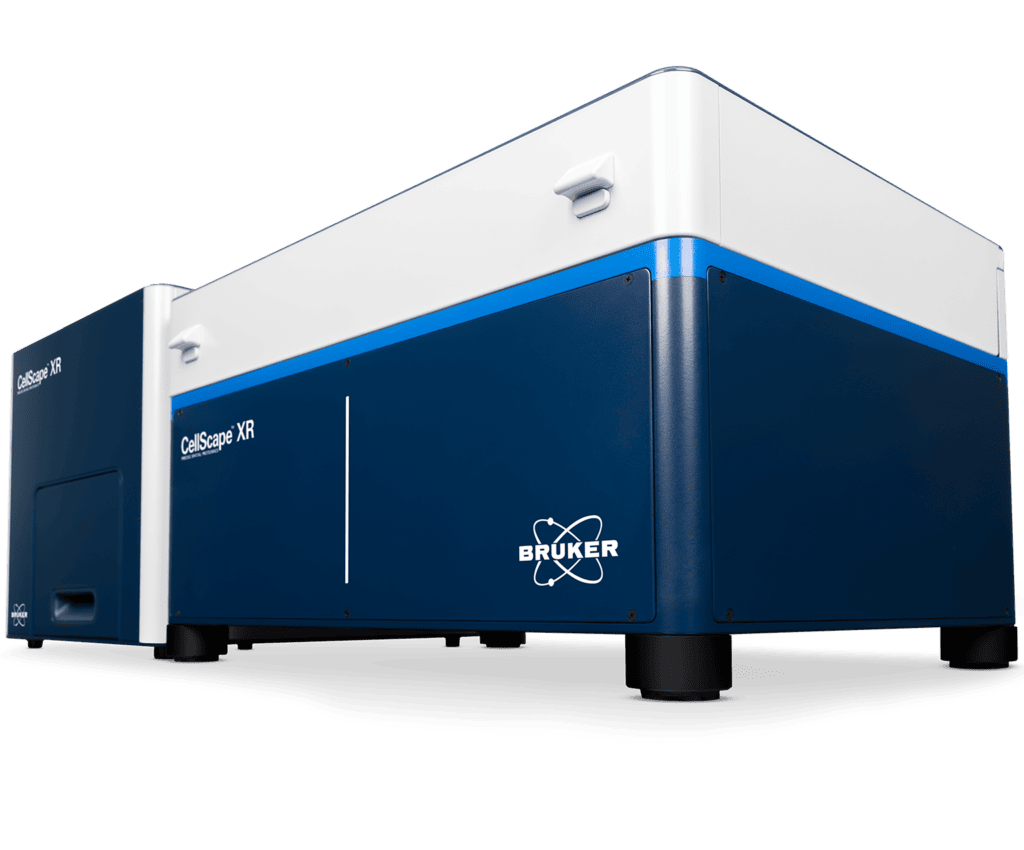
The CellScape® XR platform delivers quantitative spatial proteomics with the resolution, dynamic range, and multiplexing capability required to characterize cell states, biomarkers, and spatial interactions at subcellular resolution.
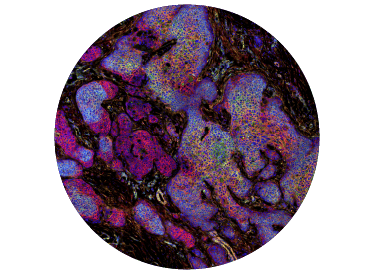
Discover Spatial Proteomics
Learn how spatial proteomics combines protein expression and spatial context for deeper cell phenotyping and deciphering tissue biology.
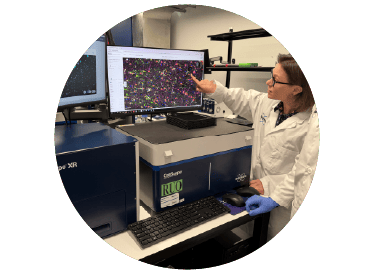
Introduction to the CellScape XR Platform
Discover how the CellScape XR platform generates quantitative spatial proteomics data and streamlines assay design.
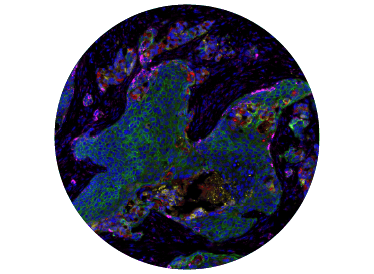
Explore High-Resolution Spatial Proteomics Data
Interact with CellScape XR datasets and see the advantages of quantitative spatial proteomics.
What sets CellScape XR apart?
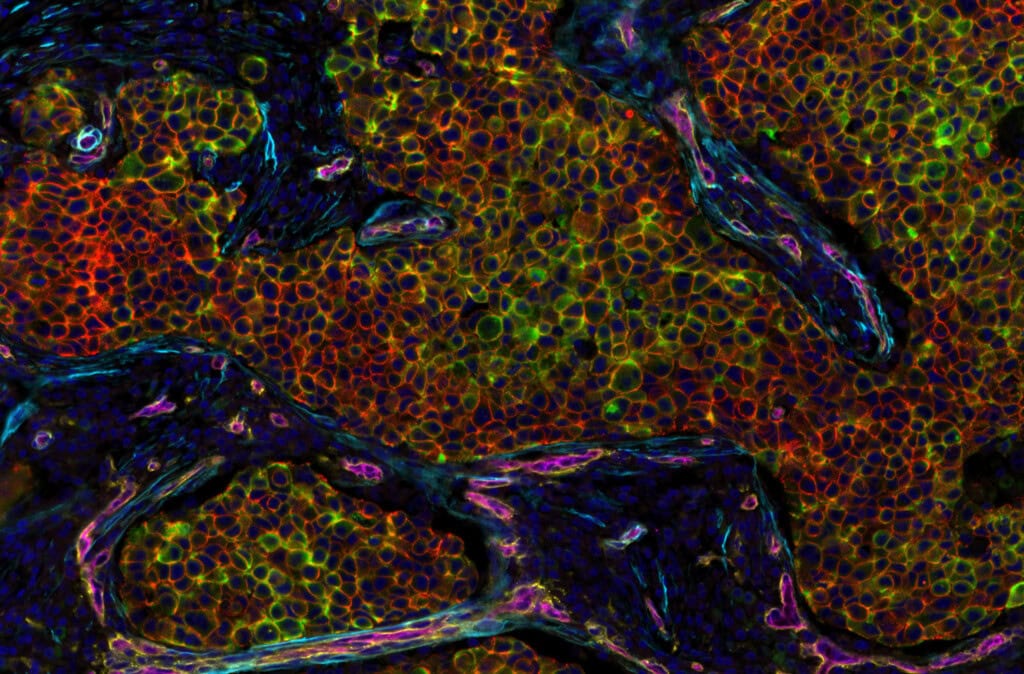
Best-in-class Resolution
Resolve single cells and subcellular structures
Best-in-class optics provide the highest resolution multiplex immunofluorescence imaging platform.
High Dynamic Range Imaging
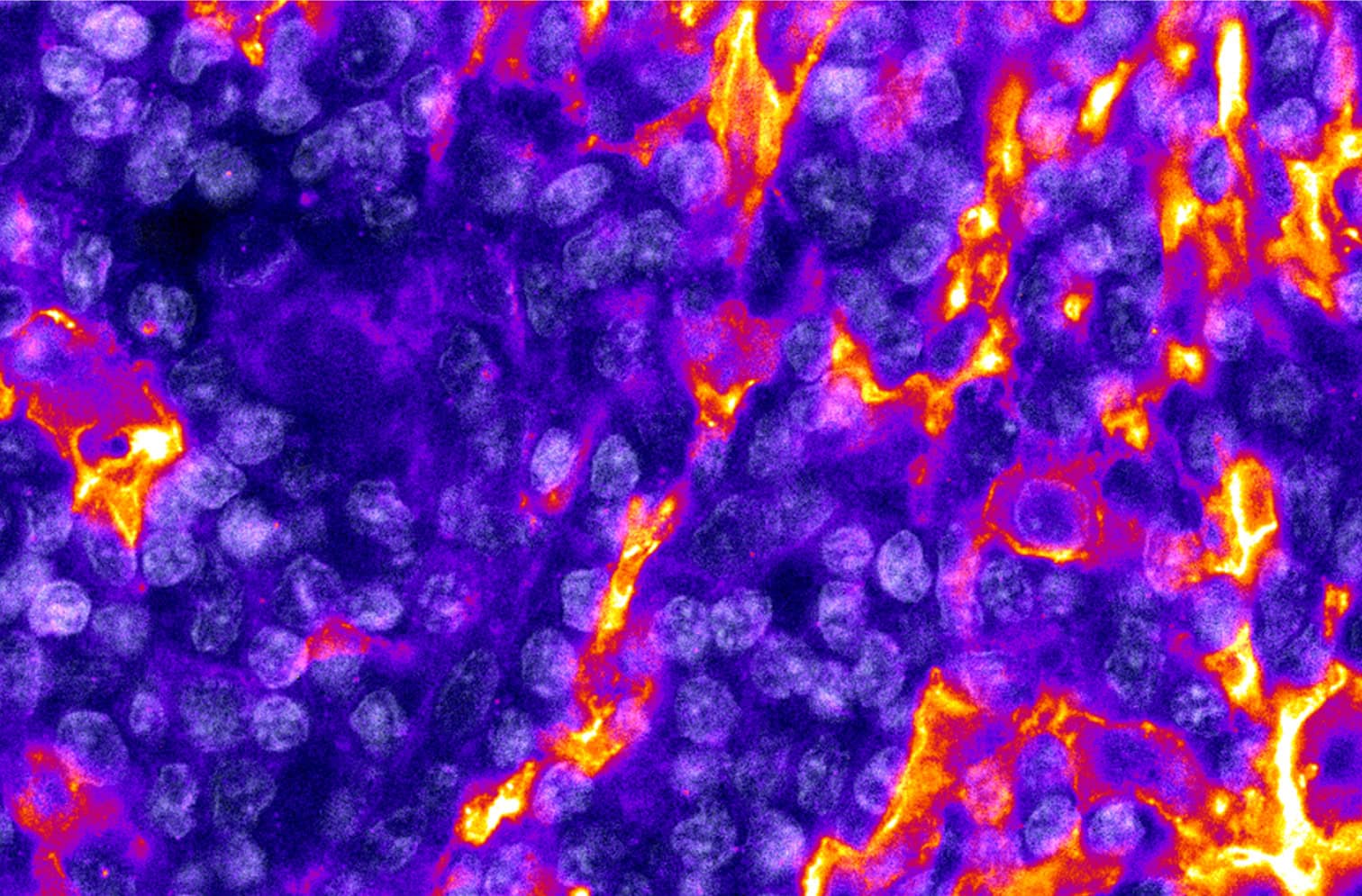
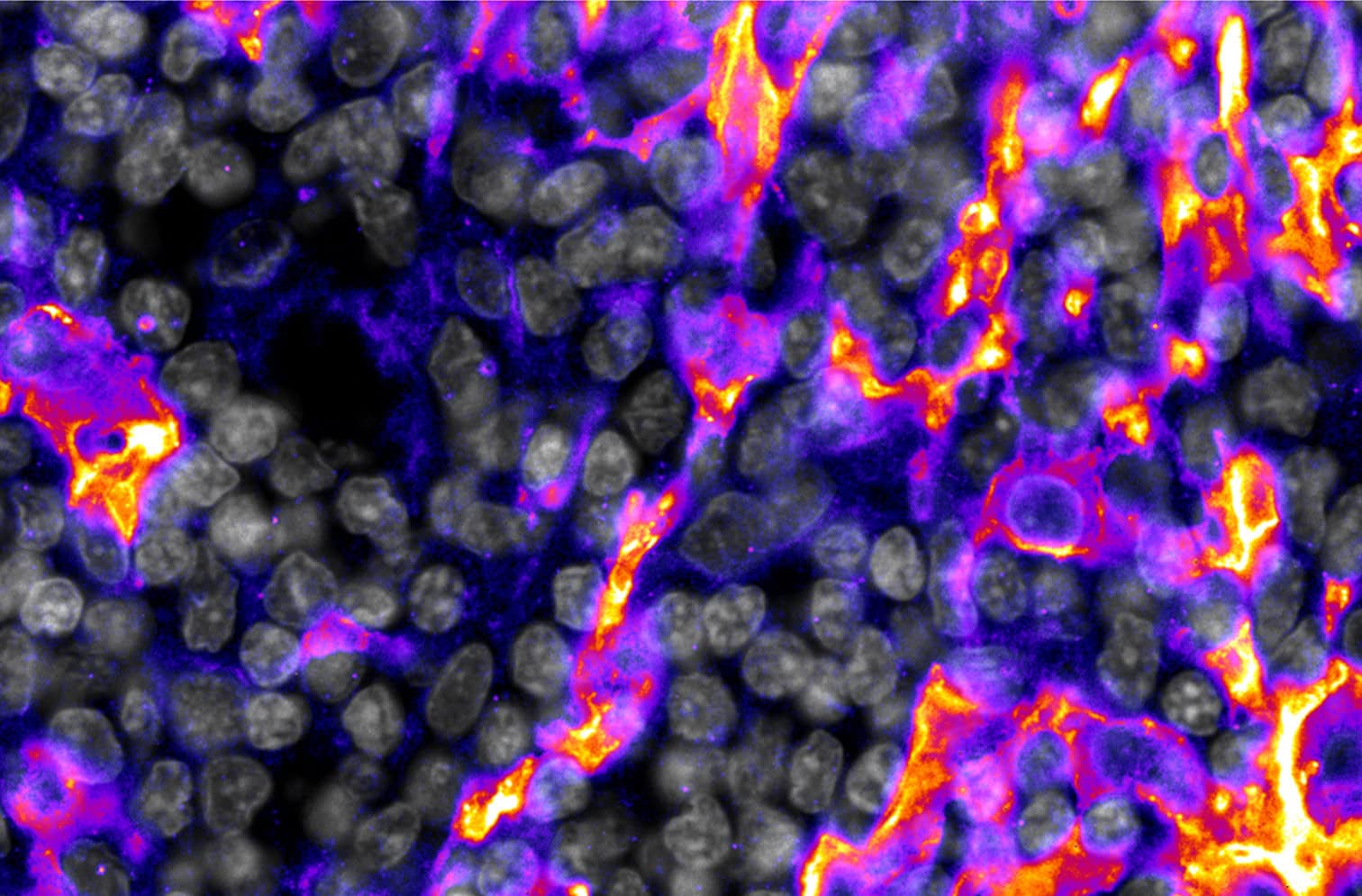
Capture the full spectrum of biomarker expression
The only spatial biology platform with automated high dynamic range (HDR) microscopy, enabling truly quantitative phenotyping by capturing low-, mid-, and high-expressing cells in one image with subcellular resolution.
Flexible Assay Design
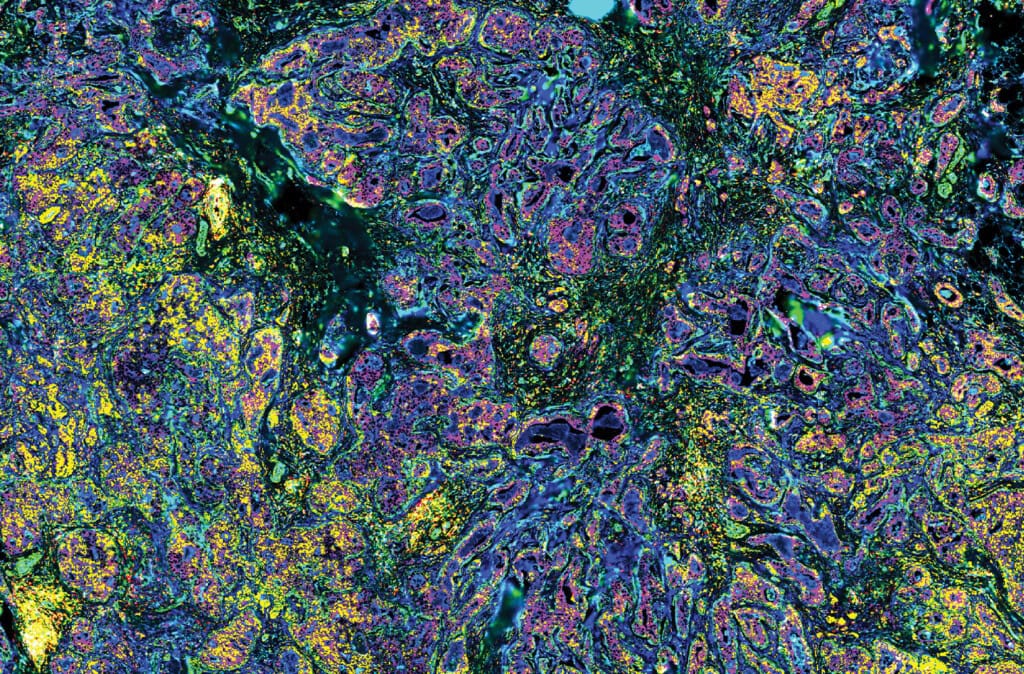
From validated kits to fully customizable panels
An open platform supporting off-the-shelf reagents compatible with our ready-to-use panels as well as rapid labeling of new targets in minutes.
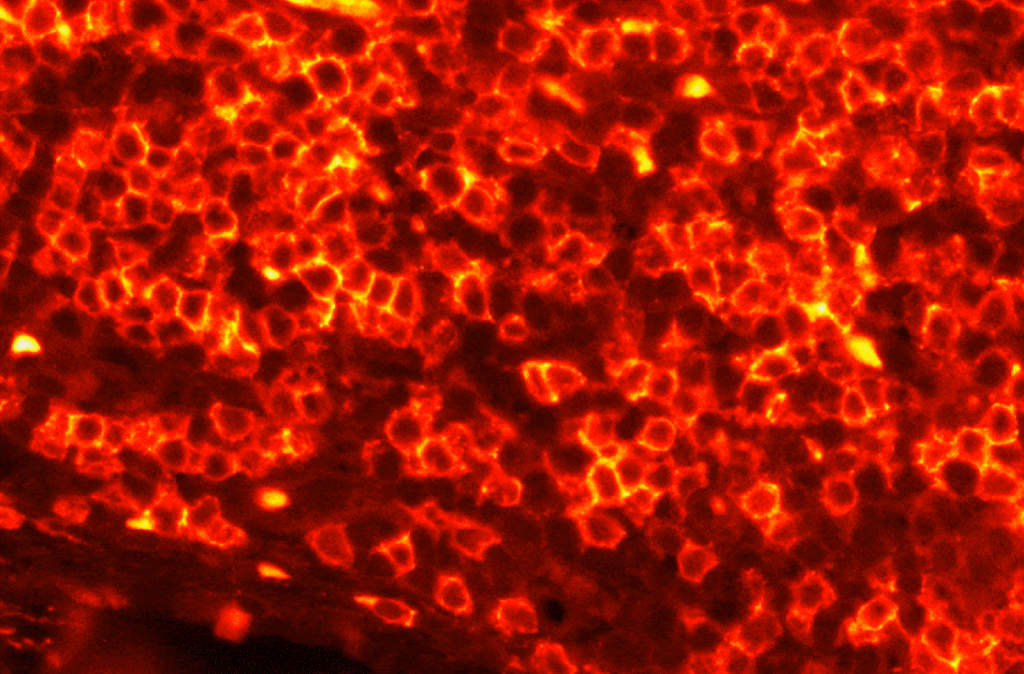
Robust Assay Chemistry
High-fidelity data across every cycle
Bruker’s proprietary EpicIF™ technology gently and efficiently removes fluorescence signals while preserving epitopes and sample integrity.
High Throughput, Whole-Slide Imaging
Scale spatial studies without compromise
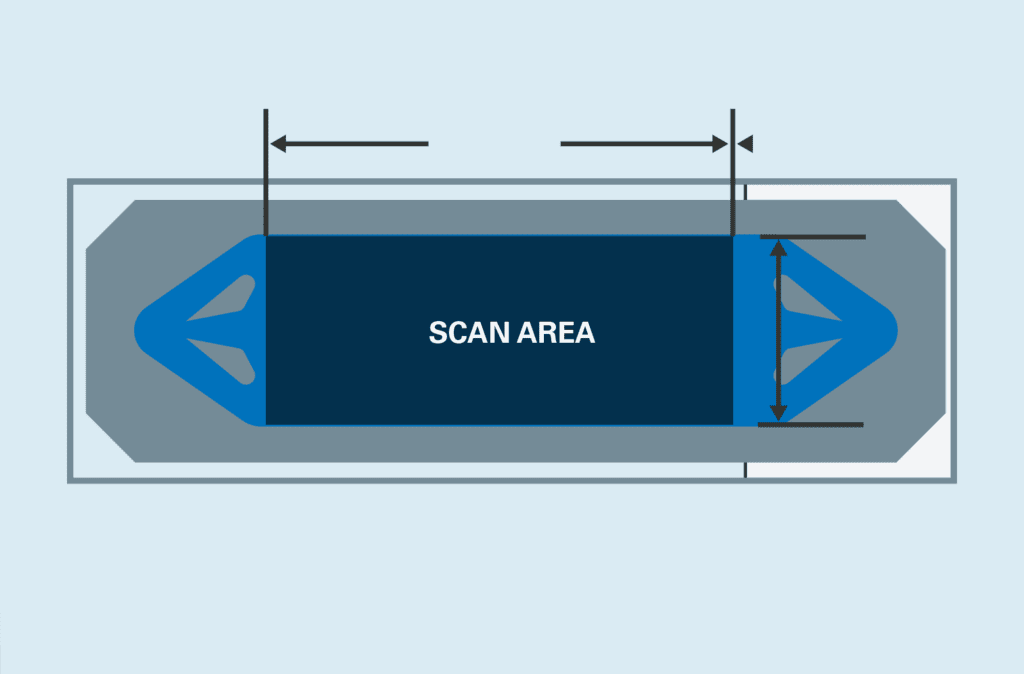
Analyze entire 16 × 40 mm tissue sections at single-cell resolution on standard glass slides while running multiple samples in parallel for higher throughput.
End-to-end solution for spatial proteomics

Instrument
CellScape XR platform is the only spatial proteomics system built to deliver best-in-class quantitative performance and scalable throughput in a single automated workflow.
Panels & Assays
Robust, modular, pre-validated antibody panels with full customization available
Visualization and Data Analysis
Integrated SW for data viewing, cell segmentation, spatial analysis, and AI-enabled tissue artifact detection
Trusted by leading researchers in spatial biology
“We are deploying the CellScape platform to develop translational predictive and prognostic spatial-omics panels and AI-informed signatures across multiple solid tumor indications. The quantitative consistency and throughput of the CellScape platform allows us to evaluate spatially resolved biomarkers across large patient cohorts, which is essential for building clinically meaningful prognostic assays. Our long-term goal is to translate this work to the clinic, and CellScape XR provides the technical foundation to get there.”

Nic Blessin, MD
Department of Pathology, University Hospital Schleswig-Holstein (UKSH), Campus Kiel
“The Neuro Cell Typing Panel has become a standard component of all CellScape experiments in our laboratory. It provides a reliable foundation for cell-type identification, allowing us to seamlessly incorporate additional markers of interest tailored to our specific biological questions. The Bruker Spatial Biology team was an excellent collaborative partner throughout the panel’s development, providing valuable expertise and support along the way.”

Miranda E. Orr, PhD
Associate Professor, Neurology, Washington University School of Medicine
“The Bruker CellScape has transformed how we approach high-plex imaging at the Centre for Advanced Histology & Microscopy. Its ability to iteratively build biomarker panels over time provides exceptional flexibility, reducing the burden of extensive upfront optimisation while enabling the inclusion of a greater number of markers. This has opened new opportunities for more ambitious experimental design and deeper biological insights for our researchers.”

Dr. Nicholas Anthony
Manager, Centre for Advanced Histology & Microscopy, Peter MacCallum Cancer Centre
CellScape XR Platform Research Applications
Discover how the CellScape XR platform enables quantitative spatial phenotyping across translational and discovery research workflows.

Oncology
Characterize tumor heterogeneity, immune cell states, and biomarker expression in intact tissue. Reveal clinically relevant cell populations and spatial interactions that drive disease progression.

Immunology
Define immune phenotypes, functional neighborhoods, and tissue-specific immune responses with quantitative spatial proteomics. Resolve subtle expression differences that shape immunity and inflammation.

Neuroscience
Map neuronal and glial phenotypes across complex tissue architecture. Quantify protein expression and spatial organization to investigate neurodegeneration, injury, and brain function.

From sample to quantitative spatial phenotyping
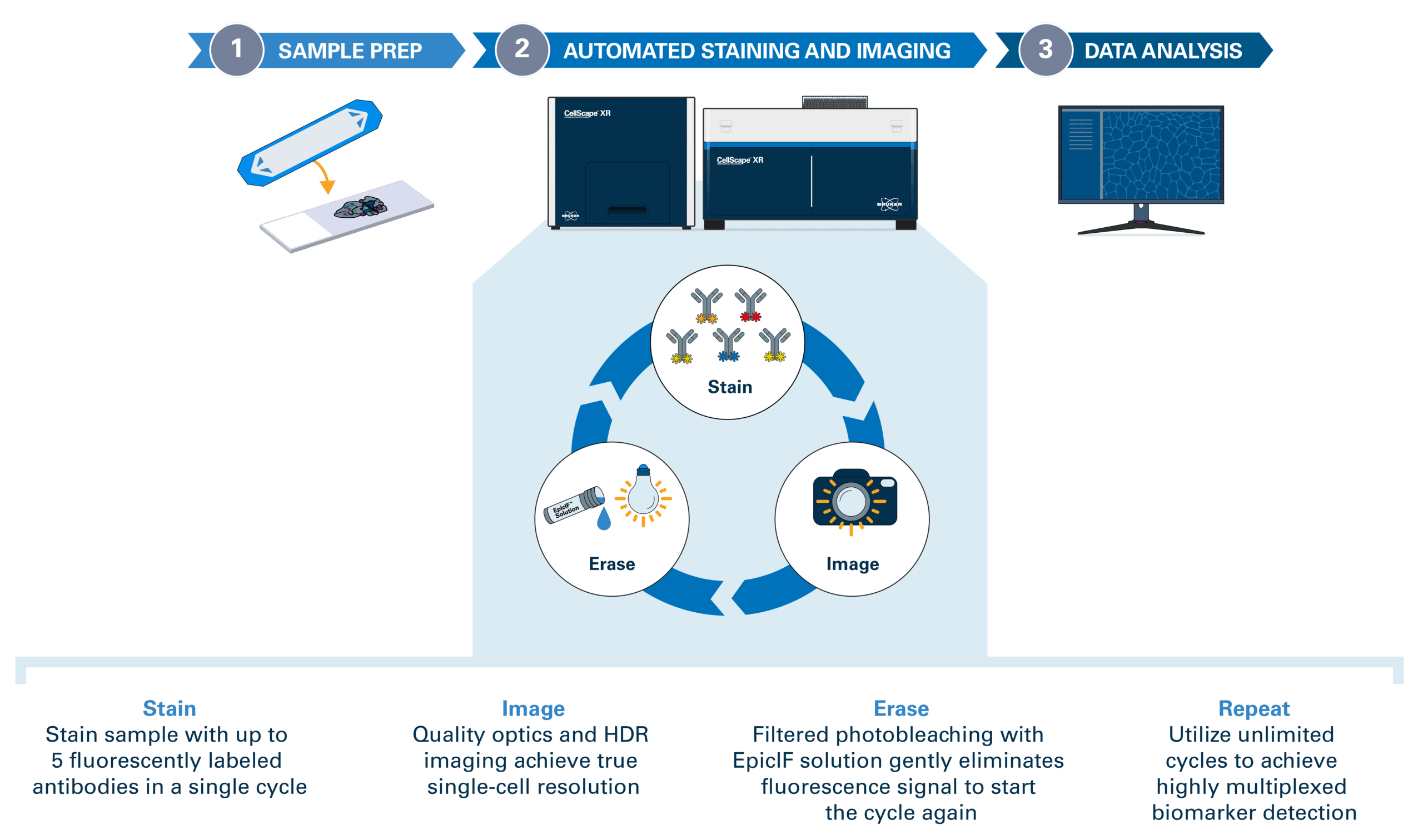
Generate high-plex spatial proteomics data through iterative cycles of staining, imaging, and EpicIF signal removal. Quantitatively characterize spatial phenotypes across whole tissue sections while preserving valuable samples for future analysis.
Explore the CellScape XR resource library

Find the right platform for your research
| Platform | 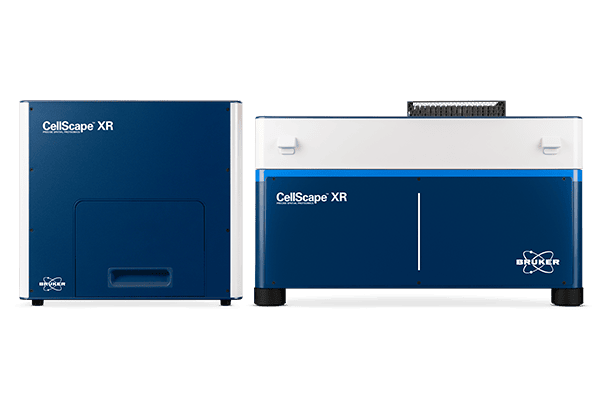 CellScape Learn more | 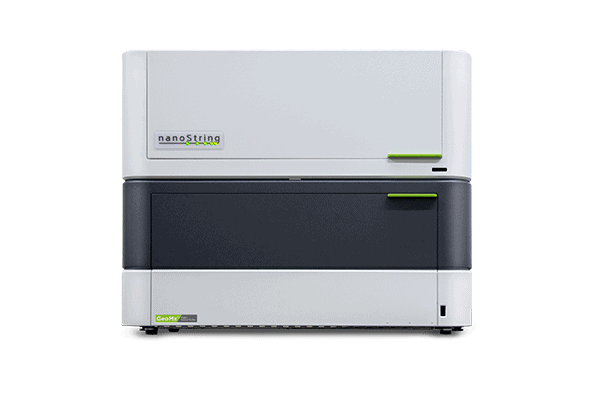 GeoMx Learn more | 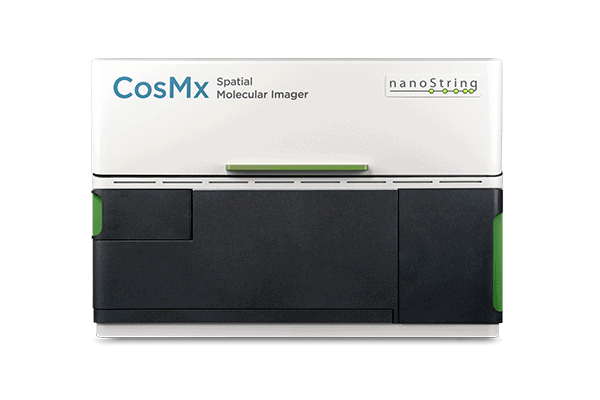 CosMx Learn more | 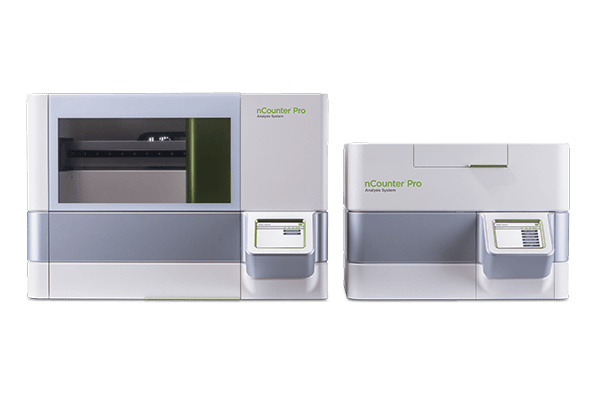 nCounter Learn more | 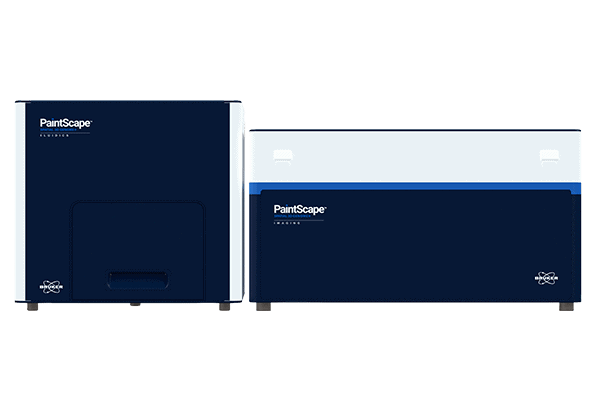 PaintScape Learn more |
| Applications | Flexible subcellular proteomics for rapid and quantitative spatial phenotyping | Early biomarker discovery through high-throughput, cost-effective and high-plex RNA and protein screening | High sensitivity, subcellular imaging of the whole transcriptome for pathway-level spatial insights | Rapid and robust targeted RNA and multiomic expression proven for translational and clinical studies | High precision, multiplexed direct visualization of spatial organization of the 3D genome |
| Analyte | Protein, RNA | RNA, protein | RNA, protein | miRNA, RNA, protein | DNA |
| Plex level | Targeted protein assays (up to 34 targets) Customizable assays up to 20 | Targeted RNA assays (up to 2000 targets) Whole transcriptome RNA assays Up to 1200 proteins | Target RNA assays (up to 6000 targets) Whole transcriptome RNA assays Up to 64 proteins | 800+ RNA 500+ protein | Targetd DNA Assays (419+ targets) |
| Resolution | Single-cell Subcellular | Multicellular (RNA) Single-cell (protein) | Single-cell Subcellular | Bulk | Single-nuclei |
| Sample compatibility | FFPE, FF, cell suspension, lysate | FFPE, FF | FFPE, FF | FFPE, FF, lysate | Human cell lines, FF tissue (coming soon) |
| Data readout | Imaging | NGS, nCounter (Direct counting) | Imaging | nCounter (Direct counting) | Imaging |
Ready to see what the CellScape XR platform can do for your research?
Speak with a spatial biology specialist, request a quote, or explore open spatial biology datasets to accelerate your next discovery.
CellScape XR Frequently Asked Questions
What is the CellScape XR platform?
The CellScape XR platform is a fully automated spatial proteomics platform that combines subcellular resolution, an 8-log dynamic range signal detection, and an open-source antibody-based assay design for flexible, quantitative spatial phenotyping.
How does CellScape XR compare to other spatial proteomics platforms?
CellScape XR delivers best-in-class quantitative single-cell spatial proteomics and flexible assay design enabled by Bruker’s proprietary EpicIF™ signal removal technology. The platform supports 200+ protein markers on a single tissue section while preserving tissue integrity and spatial context.
How many protein markers can the CellScape XR platform measure?
The CellScape XR platform allows flexible assay design and supports 200+ markers on the same slide. Most users target between 15-60 markers on the same slide, and the system allows for up to 95 antibodies to be automatically stained and imaged in a single run.
What antibodies can I use with the CellScape XR platform?
CellScape XR platform supports thousands of IHC-validated primary antibodies labeled with fluorophores compatible with Bruker’s EpicIF™ signal removal technology. Researchers can choose from commercially available antibodies, use our modular pre-validated VistaPlex™ Assays, or build custom panels tailored to their specific biomarkers and research goals. VistaFlex™ Antibody Labeling Kits allow virtually any unlabeled primary antibody clone to be incorporated into an assay.
What sample types are compatible with the CellScape XR platform?
The CellScape XR platform is compatible with both Formalin-Fixed Paraffin-Embedded (FFPE) and fresh frozen (FF) tissue sections and cell suspensions adhered to standard slides.
Are there spatial proteomics datasets from the CellScape XR platform that I can explore?
CellScape XR datasets can be viewed directly here: CellScape Datasets.
How do I analyze data from the CellScape XR platform?
The CellScape XR platform exports an open-source file format (16-bit OME-TIFF), which allows data to be analyzed using our Navigator Analysis software, open-source software such as QuPath, commercially available software, and custom pipelines using scripting languages.
Can the CellScape XR platform automatically detect RNA and protein on the same sample?
Yes. CellScape XR supports workflows for combined RNA and protein analysis on the same sample, enabling integrated spatial multiomics studies.
Can samples run on the CellScape XR platform be run with other spatial technologies?
Yes, samples run on the CellScape XR platform are compatible with GeoMx DSP, CosMx SMI, and other spatial technologies.
Do you have a list of validated antibodies?
The CellScape XR platform is the validation and phenotyping anchor of the Bruker Spatial Biology ecosystem. Discover relevant RNA or protein biomarkers at multicellular level with GeoMx DSP, or single-cell RNA signatures with CosMx SMI, and validate those findings at single-cell protein resolution with the CellScape XR platform.